



Designing Bedrooms That Promote Relaxation and Wellness
1. Choose a Calm, Soothing Color Palette
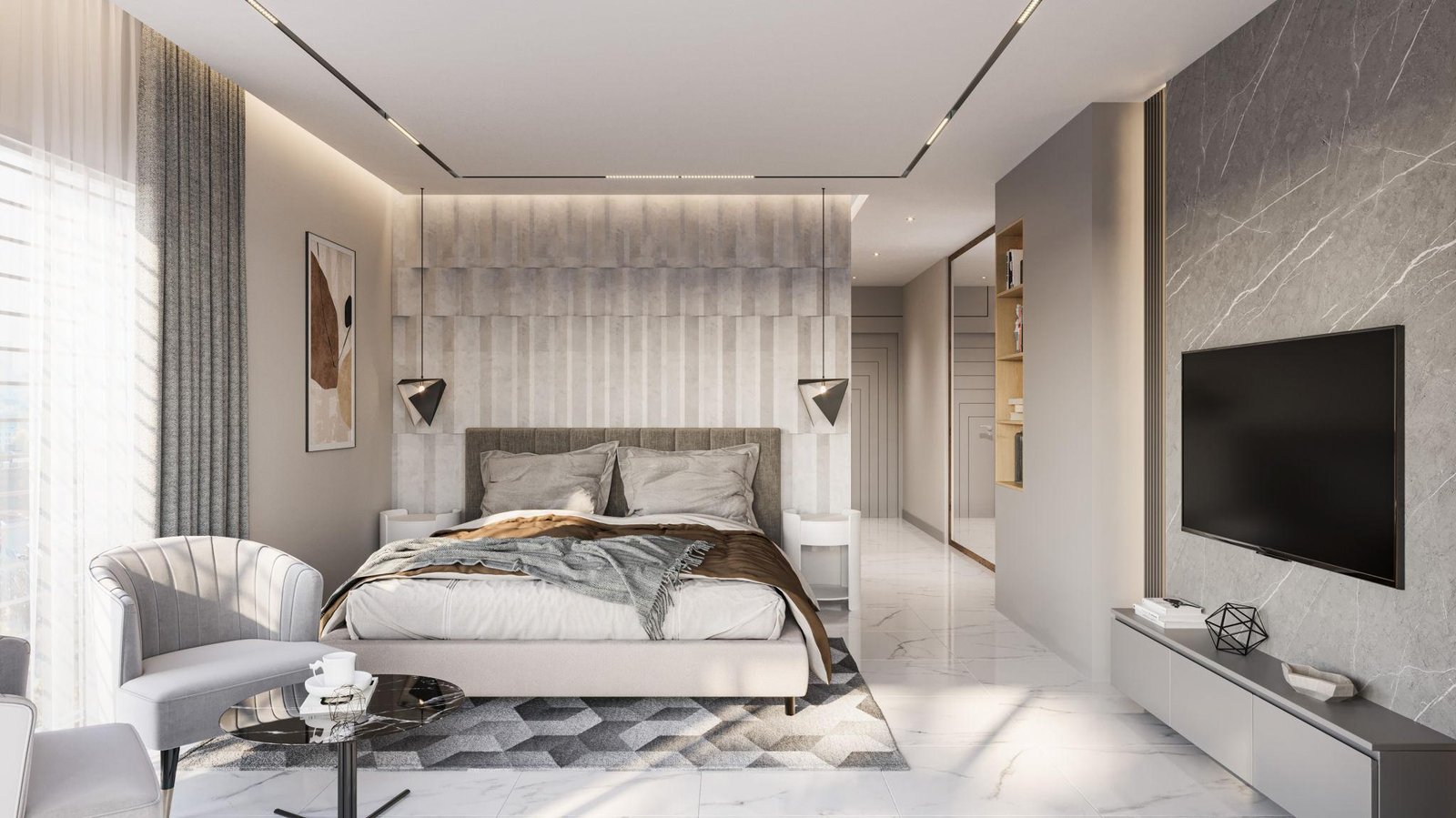
Color plays a vital role in creating a peaceful atmosphere.
Best calming colors include:
- Soft neutrals like beige, ivory, and warm gray
- Cool tones such as light blue, sage green, and lavender
- Earthy hues that create grounding energy
Avoid overly bright or bold colors, as they can stimulate the mind and disrupt relaxation.
2. Prioritize Comfort with the Right Bed & Mattress
The bed is the heart of a wellness-focused bedroom.
Key considerations:
- Invest in a supportive mattress suited to your sleep style
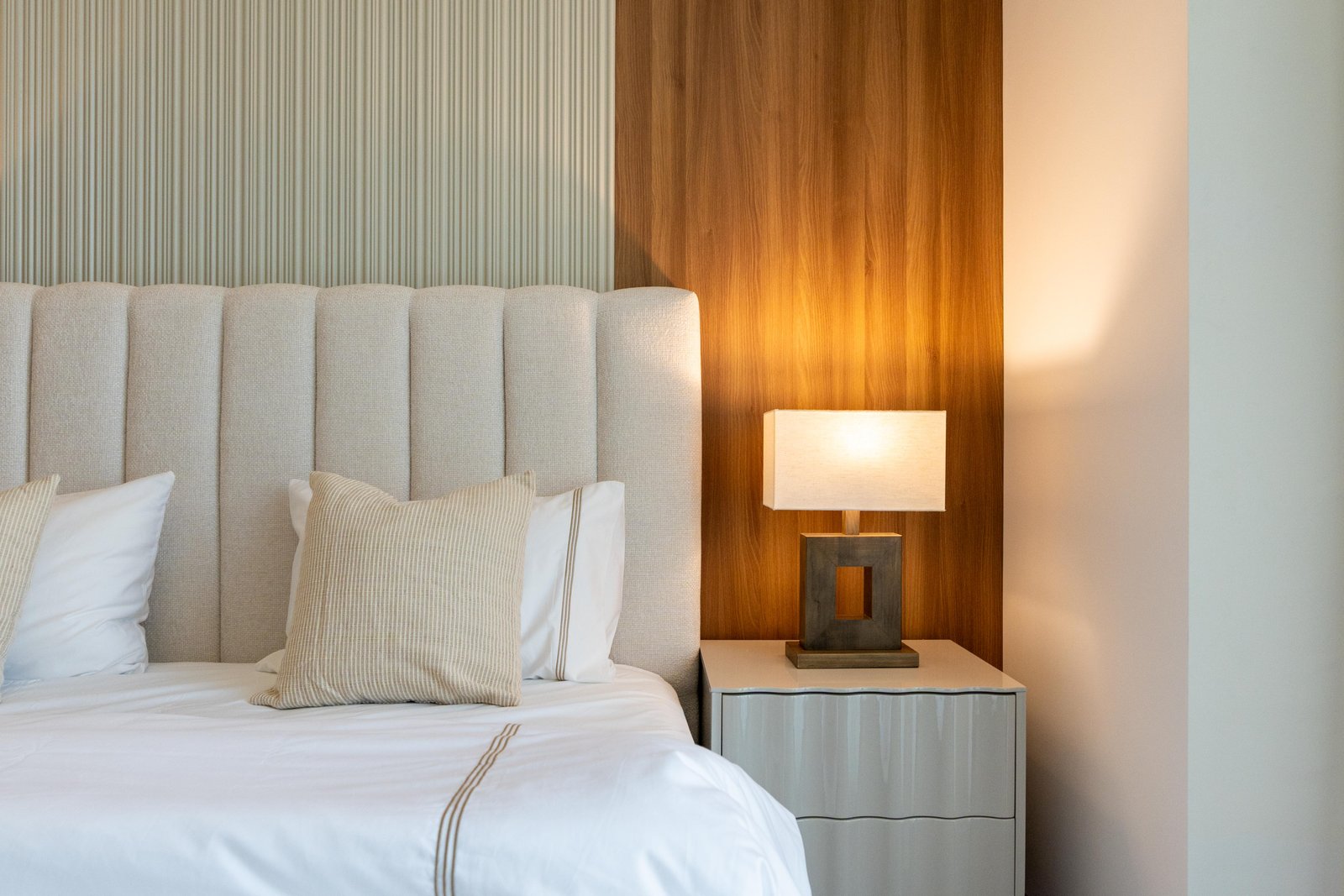
- Choose breathable, natural bedding materials like cotton or linen
- Layer with soft pillows and throws for added comfort
A high-quality sleep surface directly impacts physical recovery and mental clarity.
3. Use Soft, Layered Lighting
Lighting strongly influences mood and circadian rhythm.
Wellness-friendly lighting tips:
- Use warm, dimmable lights instead of harsh white bulbs
- Add bedside lamps for ambient lighting
- Avoid bright overhead lighting at night
Soft lighting helps signal the body to relax and prepare for sleep.
4. Declutter for Mental Calm
A clutter-free space promotes clarity and peace of mind.
Simple decluttering strategies:
- Use smart storage solutions to hide everyday items
- Keep surfaces minimal and organized
- Avoid overcrowding furniture
Less visual noise means less mental stress.
5. Incorporate Natural Materials
Natural elements create a sense of balance and tranquility.
Wellness-enhancing materials include:
- Wooden furniture and accents
- Natural fiber rugs and carpets
- Organic fabrics and eco-friendly finishes
These materials help connect your space to nature, enhancing relaxation.
6. Improve Air Quality & Ventilation
Clean air is essential for restful sleep.
How to enhance bedroom air quality:
- Allow natural ventilation during the day
- Add indoor plants like snake plant or peace lily
- Avoid synthetic fragrances and harsh chemicals
Fresh air supports deeper sleep and overall wellness.
7. Control Noise for Better Sleep
Noise disturbances can interrupt rest and recovery.
Sound-reducing tips:
- Use thick curtains or upholstered headboards
- Add rugs or carpets to absorb sound
- Consider white noise machines if needed
A quieter environment leads to more restorative sleep.
8. Limit Technology & Screen Exposure
Electronics can negatively impact sleep quality.
Wellness-focused tech habits:
- Keep TVs and work devices out of the bedroom
- Avoid screens at least 1 hour before bedtime
- Use soft alarm clocks instead of phones
Reducing screen exposure helps regulate sleep cycles.
9. Add Personal, Comforting Touches
Personal elements enhance emotional well-being.
Consider adding:
- Artwork or photos that evoke calm
- Aromatherapy with lavender or chamomile
- Soft textures like cushions and cozy rugs
These details make your bedroom feel nurturing and restorative.
Final Thoughts
Designing a bedroom focused on relaxation and wellness is an investment in your health. By combining calming colors, comfortable furnishings, natural materials, and mindful lighting, you can create a space that supports better sleep, reduced stress, and improved daily energy.